
On this page
Preventive Maintenance Plan for Rental Properties: Reduce Repairs and Protect Value
Every costly repair starts as a small issue that wasn't addressed in time. For Austin property owners, delaying maintenance can lead to higher repair costs, unexpected vacancies, and unnecessary stress, especially with the city's intense summer heat and seasonal storms. That's why preventive maintenance is a cornerstone of effective property management.
A proactive maintenance plan helps identify potential issues early, protect long-term property value, and keep rental properties operating efficiently. Instead of reacting to emergencies, property owners can stay ahead with a structured approach.
Preventive maintenance is the practice of performing routine inspections and scheduled upkeep to identify and address potential issues before they become costly repairs or disrupt your rental property's performance.
In this blog, we'll explore how to build an effective preventive maintenance plan and how professional property management helps protect your investment year-round.
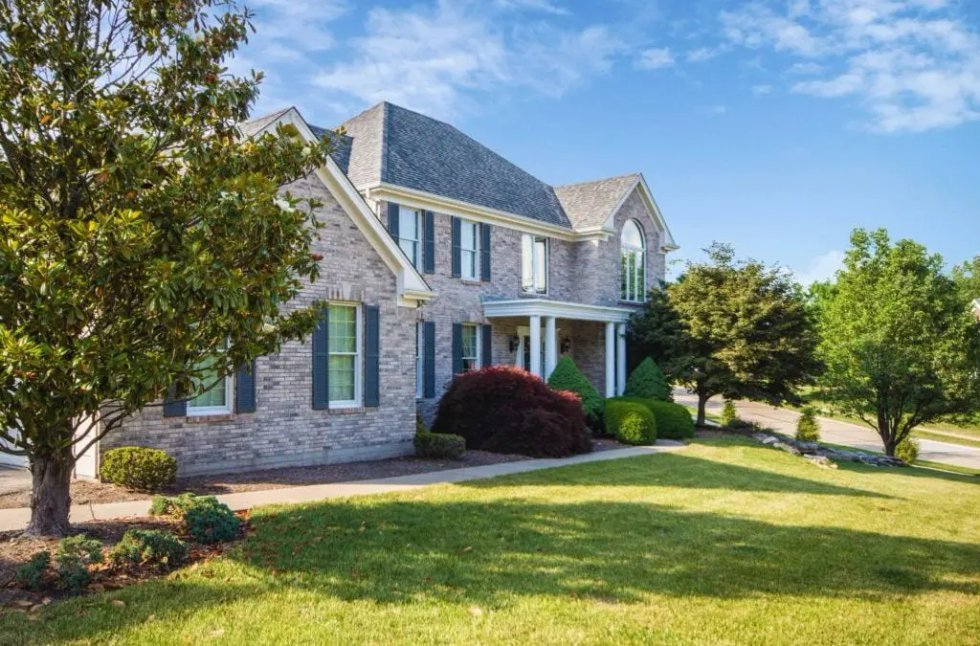 A 6-Step Preventive Maintenance Plan Every Property Owner Should Follow
An effective preventive maintenance plan doesn't happen by accident; it requires a structured approach that keeps maintenance consistent throughout the year. Rather than responding to issues as they arise, successful Austin property owners follow a proactive process that helps them stay organized, prioritize maintenance, and make informed decisions before small concerns become costly problems. A well-planned strategy also supports more predictable budgeting and long-term rental performance.
Step 1: Assess Your Property Before Problems Appear
Every rental property has different maintenance priorities depending on its age, systems, and condition. Start with a comprehensive inspection of major components, including the roof, HVAC system, plumbing, electrical systems, appliances, and exterior features. This assessment helps identify areas that require regular attention before small issues become expensive repairs.
Step 2: Build a Seasonal Maintenance Calendar
A maintenance plan works best when tasks are scheduled throughout the year instead of handled reactively. Plan HVAC servicing before Austin's hot summer months, inspect roofs after storms, clean gutters seasonally, and schedule plumbing and electrical inspections at regular intervals. A calendar keeps maintenance predictable while reducing costly surprises.
Step 3: Prioritize High-Impact Maintenance
Not every maintenance task carries the same level of urgency. Focus first on systems that directly affect safety, tenant comfort, and expensive repairs. HVAC equipment, plumbing, roofing, and electrical systems typically provide the greatest return on preventive maintenance because failures in these areas often result in higher repair costs and longer vacancies.
Step 4: Keep Detailed Maintenance Records
Document every inspection, repair, warranty, and service appointment. Organized records help property owners track recurring issues, simplify budgeting, and demonstrate consistent property care when planning future improvements or preparing the Austin property for sale.
Step 5: Encourage Early Tenant Reporting
Tenants are often the first to notice small maintenance concerns. Encourage them to report leaks, unusual noises, or equipment issues as soon as they appear. Addressing these concerns quickly helps prevent larger repairs while strengthening tenant satisfaction and retention.
Step 6: Review and Refine Your Plan Every Year
Your preventive maintenance plan should evolve as your property ages and market conditions change in Austin. Review maintenance costs, recurring repairs, and inspection findings annually to identify opportunities for improvement. Regular updates ensure your strategy continues protecting your investment while supporting long-term property performance.
Business Scenario: An Austin property owner managing multiple rental properties introduced a preventive maintenance plan with scheduled inspections and annual maintenance reviews. Over time, maintenance expenses became more predictable, budgeting improved, and fewer unexpected issues disrupted tenant occupancy. Instead of constantly reacting to repairs, the owner was able to make informed maintenance decisions that supported consistent rental performance and long-term property value.
Industry organizations such as the National Association of Residential Property Managers (NARPM) emphasize that proactive maintenance programs can help reduce emergency repairs while supporting stronger tenant retention and long-term asset performance.
What Are the Key Areas to Focus on in a Preventive Maintenance Plan?
Even with a preventive maintenance plan in place, certain areas are more prone to maintenance issues than others. Austin's prolonged summer heat, seasonal storms, and changing weather conditions can place added stress on HVAC systems, roofing, plumbing, and exterior features. Understanding where preventive maintenance has the greatest impact helps property owners keep their rental properties operating efficiently throughout the year.
HVAC Systems and Plumbing
HVAC and plumbing systems are among the most frequently used components in any rental property, making regular maintenance essential. Schedule routine inspections to replace HVAC filters, inspect ducts, test thermostats, and ensure the system is operating efficiently. With Austin's extended cooling season, preventive HVAC servicing can improve performance while reducing the risk of unexpected breakdowns during peak demand.
Plumbing should also be inspected regularly for leaks, pipe corrosion, water pressure issues, and signs of hidden water damage. Cleaning drains, servicing water heaters, and addressing small plumbing concerns early can help prevent costly repairs and minimize tenant disruptions.
Electrical Systems and Roofing
Electrical systems play a critical role in both tenant safety and property reliability. Routine inspections should include checking circuit breakers, wiring, outlets, GFCI protection, and smoke detectors to ensure everything meets current safety standards and functions properly.
Roof maintenance is equally important, particularly after Austin's seasonal storms. Inspect shingles, flashing, gutters, and drainage systems for signs of damage or blockages. Addressing minor roofing issues early helps prevent water intrusion, protects the property's structure, and extends the roof's lifespan.
Landscaping and Regular Inspections
Well-maintained landscaping improves curb appeal while preventing drainage, irrigation, and overgrowth issues. Routine mowing, trimming, irrigation checks, and seasonal upkeep help keep Austin rental properties attractive to current and prospective tenants. Regular property inspections also help identify maintenance concerns early, allowing Austin property owners to address issues before they become costly repairs.
Reviewing these systems together rather than individually helps property owners build a more reliable maintenance strategy that supports consistent rental performance.
Keeping every part of your rental property in top condition takes consistent planning. Prime Properties Austin helps property owners stay ahead with proactive maintenance that protects long-term property value. Contact our team today.
Why Preventive Maintenance Works Best With Professional Property Management
Even the best preventive maintenance plan delivers results only when it's followed consistently. Consistent execution is what delivers results. Professional property management helps Austin owners coordinate maintenance, manage vendors, and stay ahead of potential issues, ensuring preventive maintenance remains an ongoing strategy that protects both the property and its long-term value.
Proactive Coordination Keeps Everything on Schedule
Managing multiple service providers, inspections, and seasonal maintenance can quickly become time-consuming. Professional property managers coordinate vendors, schedule recurring services, and oversee maintenance timelines to ensure work is completed efficiently. This organized preventive approach reduces delays and helps properties stay prepared for Austin's intense summer temperatures and unpredictable storm season.
Access to Trusted Local Vendors
Established property management companies often work with a network of licensed, reliable contractors who understand the needs of Austin rental properties. From HVAC specialists to roofing professionals, having dependable vendors available helps resolve maintenance needs promptly while maintaining quality workmanship and competitive pricing.
Better Visibility Into Property Performance
Professional property management gives Austin property owners greater visibility into preventive maintenance schedules, service history, and long-term operating costs. This proactive approach helps owners plan, make informed decisions, and identify opportunities to improve property performance while reducing the risk of costly repairs.
More Time to Focus on Your Investment Goals
Managing maintenance, coordinating vendors, and responding to service requests can quickly become time-consuming. Professional property management takes care of these day-to-day responsibilities, giving Austin property owners more time to focus on portfolio growth, financial planning, and other investment priorities while knowing their rental properties are consistently maintained.
Preventive maintenance shouldn't depend on your availability. With Prime Properties Austin managing inspections, vendor coordination, and ongoing property care, you can focus on growing your investment with confidence. View our pricing plans and let us help protect the long-term value of your rental property.
FAQ
How often should a rental property receive preventive maintenance?
Most rental properties benefit from seasonal inspections, with HVAC, plumbing, roofing, and safety systems checked at least once or twice a year. The ideal schedule depends on the property's age, condition, and local climate.
Can preventive maintenance increase the value of a rental property?
Yes. Consistent preventive maintenance helps preserve the property's condition, extends the lifespan of major systems, and supports long-term market value while making the property more attractive to prospective tenants.
What is the difference between preventive and routine maintenance?
Routine maintenance covers recurring tasks such as lawn care or filter replacements, while preventive maintenance follows a planned schedule to identify and address potential issues before they become costly repairs.
When should a property owner hire a professional property management company for maintenance?
If coordinating inspections, managing vendors, and responding to maintenance requests becomes time-consuming, a professional property management company can streamline maintenance, improve efficiency, and help protect your rental investment.
Final Thoughts
The most successful rental properties aren't maintained by chance; they're maintained through consistent planning and proactive care. A well-executed preventive maintenance plan helps property owners stay ahead of maintenance issues, improve operational efficiency, and create a better rental experience for tenants.
At Prime Properties Austin, we help property owners stay ahead of maintenance with proactive property management designed to protect your investment and simplify ownership. Contact us today to learn how our tailored property management solutions can help keep your rental property performing at its best.