
What to Remove When Staging a House Before Renting It Out
Your rental sits empty while comparable properties lease in days. The difference? Often it's not the home itself; it's what you haven't removed yet.
For rental properties, home staging is not just about buying furniture or adding flowers to the living room. It's about clearing out what blocks tenant interest. Applicants scroll past cluttered listings in seconds, hunting for neutral spaces where they can picture their own lives. Whether you manage your own rental property or rely on professional rental property management services, effective home staging starts with removing distractions, not adding decorations.
This guide from Prime Properties Austin shares seven specific items to remove before photos and showings as part of an effective home staging strategy. Each one can quietly reduce interest in ways you might not expect. Clear them out, and you'll attract better applicants faster, no matter your rental market.
 Clear the Clutter: 7 Things to Remove Before a Rental Staging
Property owners often think that home staging for their rentals requires a designer's budget. It actually requires a ruthless eye. The goal is simple: help prospective tenants see themselves living there, not wonder about the person who just left. Professional home staging companies often follow a simple principle: less is more. Neutral, uncluttered spaces make it easier for prospective tenants to picture themselves living there, helping your rental stand out from competing listings.
Here are seven things to remove before your next staging to help your rental home make a stronger first impression on prospective tenants.
1. Personal Photos and Keepsakes
Family portraits, vacation snapshots, and sentimental décor make a home feel loved, but they also make it feel like someone else's. During home staging, the goal is to help prospective tenants picture their own life in the space, not yours.
Pack away framed photos from mantels, hallway walls, and side tables, then replace them with a mirror or a few pieces of neutral artwork. You don't want the décor to steal the spotlight. The home itself should.
2. Excess Furniture and Bulky Pieces
One of the quickest ways to make a room feel smaller is to fill every corner. If a large sectional dominates the living room or an oversized dresser makes the bedroom feel cramped, it's worth moving it out before listing photos or showings.
Walk through the home as though you're seeing it for the first time. Does each piece of furniture improve the space, or simply take up space? During home staging, less furniture often creates a stronger impression than more.
3. Strong Scents, Candles, and Pet Odors
A fresh-smelling home is inviting. An overly scented one can make people wonder what's being covered up. Candles, plug-in air fresheners, and heavily fragranced sprays are best left out before staging the home. Instead, focus on eliminating the source of any lingering odours.
Wash fabrics, deep-clean carpets if needed, and let fresh air circulate through the home. A clean, neutral environment is almost always more reassuring than artificial fragrance.
4. Political, Religious, or Highly Personalized Décor
Everyone has personal interests and beliefs, but a rental showing isn't the place to showcase them. Flags, sports memorabilia, religious symbols, novelty collections, or statement wall art can unintentionally distract prospective tenants from the home itself.
As part of your home staging strategy, aim for décor that feels warm, welcoming, and neutral. A simple plant or understated artwork creates a much broader appeal than highly personal displays.
5. Visible Clutter (Mail, Boxes, Clothes)
Clutter has a way of making even a spacious home feel smaller. A pile of unopened mail, shoes by the front door, clothes over a chair, or everyday items scattered across the kitchen counter all compete for attention in listing photos.
Before every showing, clear countertops, tidy closets, and remove anything that doesn't need to be there. Prospective tenants should notice the space, not the things filling it.
6. Outdated or Damaged Fixtures
Small details say a lot about how a home has been maintained. Chipped cabinet handles, broken blinds, worn switch plates, or dated light fixtures may seem minor, but together they can leave the impression that the property hasn't received much attention.
Fortunately, these are often inexpensive fixes. Replacing a few fixtures or touching up paint can instantly make the home feel cleaner, newer, and better cared for without taking on a full renovation.
7. Excessive Collections (Books, Trophies, Memorabilia)
Collections tell your story, but during home staging, you want the home to tell its own. Shelves packed with books, trophies, travel souvenirs, or collectibles can make rooms feel busy and overly personal. Pack most of them away and leave just a few carefully chosen decorative pieces behind. Giving shelves and surfaces a little breathing room helps highlight the home's natural features and allows prospective tenants to imagine making the space their own.
Stage Smarter, Lease Faster
Effective home staging doesn't have to be overwhelming. Sometimes, removing a few distractions and making a handful of thoughtful updates is all it takes to help a rental home stand out, attract qualified tenants, and lease more quickly.
If you'd rather have an experienced team handle the process, Prime Properties Austin can help. From coordinating home staging, professional photography, and listing preparation to marketing, tenant placement, and ongoing rental property management, we help property owners present their homes with confidence. Meet the Prime Properties Austin team to learn how we can help prepare your rental for a faster, more successful lease.
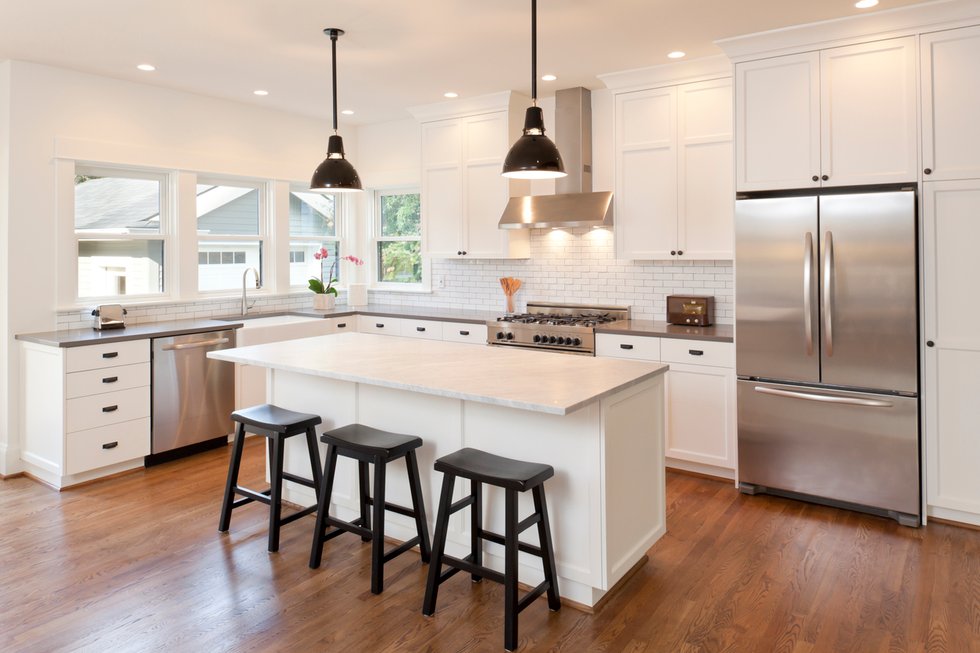 Home Staging Questions Every Rental Property Owner Should Know
Removing clutter and personal belongings is one of the most effective ways to prepare a rental home for the market, but successful home staging involves more than simply clearing out a few rooms. Property owners often wonder what staging costs, how long it takes, whether it's worth the investment, and when it's best to bring in professional help.
Here are some of the most common questions landlords ask before listing and staging a rental home.
Q1: How Much Does Home Staging Cost?
The cost of home staging depends on your rental home's size, condition, and the level of preparation required. While every property is different, most home staging projects fall into one of these categories:
DIY decluttering and cosmetic updates: $0-$300
Professional home staging consultation: Approximately $150-$500
Partial furniture staging: Around $500-$1,500
Full-service or premium home staging: $1,500+ depending on the property's size and scope
Many rental homes don't require premium staging. Simple improvements such as decluttering, improving lighting, touching up paint, and investing in professional photography often create the biggest impact while keeping costs under control. The right home staging strategy is usually the one that matches both your rental goals and your budget.
Q2: How Long Does Home Staging Usually Take?
Preparing a rental home for the market is often quicker than many property owners expect.
A typical timeline looks like this:
Decluttering and deep cleaning: 1 day
Minor repairs and cosmetic touch-ups: 1-2 days
Home staging and photography: 1 day
Listing ready: Usually within 2-5 days
Most of the effort happens before your listing goes live. Once professional photos have been taken, maintaining that clean, staged appearance throughout showings is usually all that's needed until the property is leased.
Q3: Should You Stage a Vacant Rental Home?
Yes. While vacant homes often feel larger, they can also feel empty and difficult for prospective tenants to visualize. A thoughtfully staged rental home helps define each room, creates a warmer atmosphere, and gives applicants a better sense of how the space can be used.
If a full furniture package isn't practical, there are still cost-effective options. Virtual home staging, partial furniture placement, neutral décor, and improved lighting can dramatically improve listing photos while keeping costs manageable. Even a few carefully chosen updates can make a vacant rental home feel far more inviting.
Q4: How Can You Improve the Exterior During Home Staging?
Home staging starts before prospective tenants step through the front door. A well-maintained exterior signals that the property has been cared for and encourages applicants to view the rest of the home with confidence.
Focus on the details that create an immediate first impression:
Keep the lawn trimmed and landscaping tidy.
Sweep walkways, patios, and the front entrance.
Refresh plants, mulch, or seasonal greenery where needed.
Ensure the front door, porch, and exterior lighting look clean and welcoming.
You don't need an expensive landscaping project. Consistent maintenance and a clean, welcoming entrance often make a bigger difference in home staging than elaborate upgrades.
Q5: What Should You Never Remove Before a Rental Showing?
While home staging encourages removing distractions, some items should always remain in place. Smoke detectors, carbon monoxide detectors where required, appliances included with the lease, window coverings, and other essential safety features should never be removed simply to improve appearance.
Home staging should enhance presentation without compromising safety or functionality. Prospective tenants appreciate a home that looks inviting, but they also expect it to be fully functional and move-in ready.
Q6: Can a Property Management Company Help with Home Staging?
Absolutely. Preparing a rental home for the market involves much more than rearranging furniture. Many property owners choose to work with a professional property management company because it simplifies the entire home staging process from start to finish.
In an area like Austin, Prime Properties Austin can help with the following aspects of home staging:
Property staging recommendations and listing preparation
Professional photography and trusted vendor coordination
Minor repairs, touch-ups, and property presentation
Marketing, tenant placement, and ongoing rental property management
Local expertise also plays an important role. While the fundamentals of home staging remain consistent, tenant expectations can vary across the Greater Austin area. Rentals in Austin often appeal to professionals seeking clean, contemporary interiors, while homes in Cedar Park attract a mix of professionals and growing families who value practical, well-organized living spaces. Family-oriented rentals in Round Rock, Pflugerville, and Georgetown typically benefit from layouts that highlight storage, flexible rooms, and everyday functionality.
Whether you're preparing your first rental home or adding to your investment portfolio, professional home staging paired with local property management expertise can help your rental stand out from the moment it reaches the market.
Ready to Make Your Rental Home Stand Out?
Successful home staging doesn't have to be complicated. A few thoughtful improvements can make your rental home more inviting, attract qualified tenants, and reduce vacancy time.
If you'd like expert guidance with home staging, marketing, tenant placement, or full-service property management, contact Prime Properties Austin to learn how we can help you prepare your rental for a faster, more successful lease.