
On this page
Think Your Rental Is Fine? A Simple Inspection Could Save You Thousands
A rental property doesn't suddenly become difficult to manage; it changes gradually. The challenge for property owners isn't simply collecting rent or responding to maintenance requests. It's having enough visibility into the property's condition to make confident decisions before small concerns affect long-term performance.
That's why effective property management goes beyond day-to-day operations. It relies on consistent oversight that helps owners understand how their investment is performing throughout the year.
In this guide, you'll learn how rental property inspections fit into a proactive property management strategy, when they should be conducted, and how they help Austin property owners make more informed decisions about their rental investment.
 When Should You Schedule Rental Property Inspections in Austin?
There isn't a one-size-fits-all schedule for rental property inspections. The right frequency depends on your property's condition, maintenance history, and local environmental factors. According to the National Association of Residential Property Managers, routine inspections are a key part of preventive maintenance because they help identify developing issues before they become major repairs.
For Austin property owners, regular inspections are especially valuable due to Central Texas heat, seasonal thunderstorms, and shifting clay soils that can affect homes throughout the year.
Before a New Tenant Moves In
A move-in inspection establishes the property's baseline condition before occupancy.
Focus on documenting:
Existing wear and tear with dated photographs.
The condition of appliances, plumbing fixtures, flooring, and walls.
Safety devices such as smoke detectors and carbon monoxide alarms were installed.
This record makes it easier to monitor changes during future routine rental inspections.
Schedule Routine Inspections During the Lease
Rather than waiting until the lease ends, many property managers recommend inspecting the property once or twice a year, depending on the property's age and maintenance needs.
For Austin rentals, seasonal inspections can help identify:
HVAC strain after prolonged summer heat.
Roof or gutter issues following heavy storms.
Minor plumbing leaks before they damage cabinets or flooring.
Foundation or exterior cracks caused by changing soil moisture.
These visits help owners address maintenance concerns while repairs are still manageable.
Inspect After Significant Weather Events
Austin's weather can change quickly. Severe thunderstorms, hail, strong winds, or extended drought conditions may affect roofing, drainage, fencing, or exterior structures.
Scheduling rental property inspections after major weather events helps identify hidden damage early, reducing the likelihood of more extensive repairs later.
While understanding the financial impact of tenant turnover is important, proactive property management helps reduce the maintenance burden that often contributes to those costs by identifying property issues throughout the tenancy, not just at move-out.
By combining scheduled inspections with weather-related checkups, Austin property owners can reduce unexpected maintenance issues, protect property condition, and make better-informed repair decisions throughout the year.
Inside a Routine Rental Property Inspection: What a Professional Inspection Can Reveal
Every rental property inspection in Austin tells a story. While some visits confirm that a property is in excellent condition, others uncover small maintenance issues that haven't yet become visible problems. The following scenario reflects the type of findings professional property managers commonly identify during routine rental inspections in Austin.
The Property
A single-family rental home in South Austin had been occupied for six months. The tenants hadn't submitted any maintenance requests, and the property appeared well-maintained from the street. Rather than waiting for the lease to end, the owner scheduled a routine inspection to document the Austin property's current condition and identify any emerging maintenance issues.
The Findings
The inspection quickly revealed issues that could have been overlooked during a casual walkthrough.
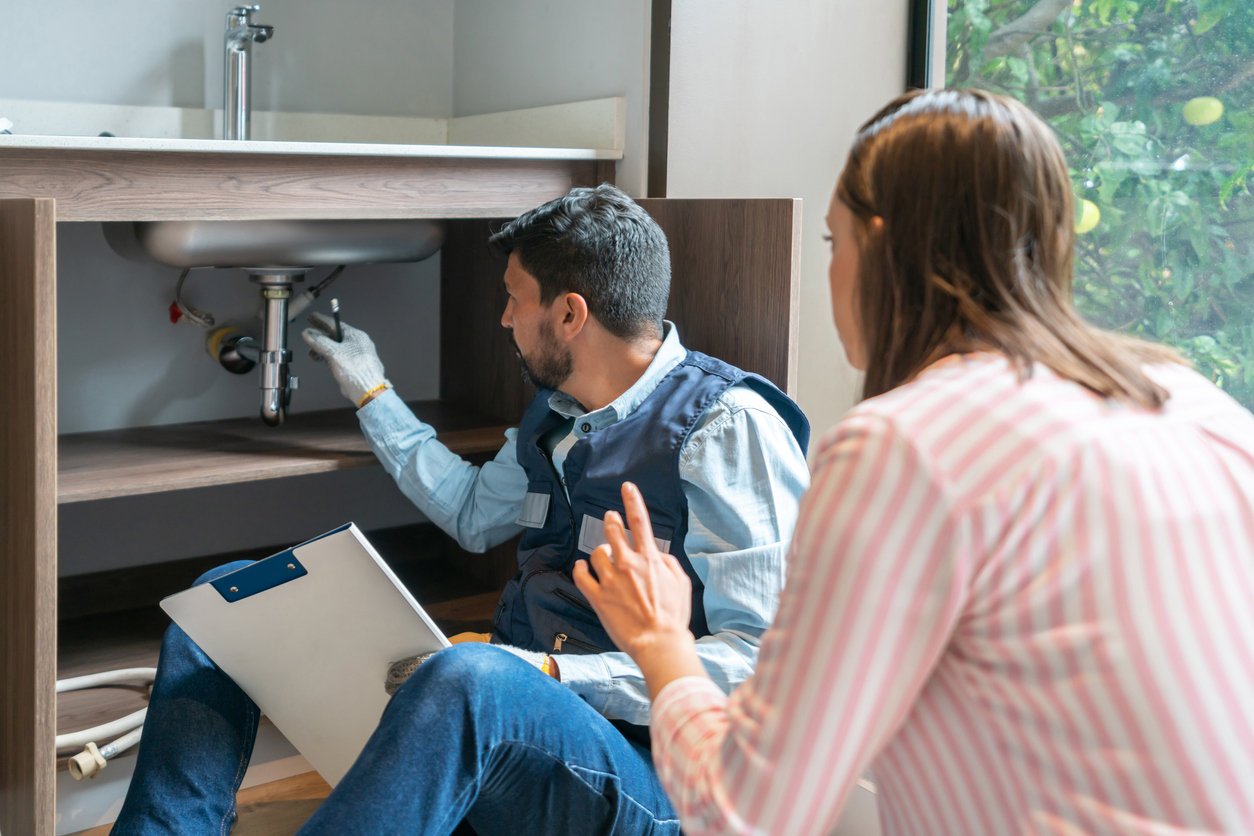
A slow leak beneath the bathroom vanity had started leaving moisture inside the cabinet. Outside, recent Central Texas storms had altered drainage near one corner of the property, allowing water to collect closer to the foundation after heavy rain. The HVAC system was cooling normally, but a heavily clogged filter suggested reduced efficiency during Austin's extended summer cooling season.
None of these issues required major repairs that day, but each had the potential to become more expensive if left unaddressed.
The Documentation
Rather than relying on memory, the inspection included dated photographs, detailed notes, and a completed property inspection checklist. Each observation was recorded so the property's condition could be compared during future rental property inspections.
This documentation created a clear maintenance history, making it easier to confirm completed repairs and monitor whether minor issues changed over time.
The Outcome
Within days, the plumbing leak was repaired, drainage around the foundation was corrected, and the HVAC filter was replaced during a scheduled service visit. Because these concerns were identified early, the owner avoided more disruptive repairs while keeping the property in strong condition.
Prime Properties Austin includes routine property inspections as part of its ongoing property management approach, helping owners identify maintenance issues early and protect the long-term value of their investment.
Different Rental Properties Require Different Inspection Priorities
No two rental homes age or perform the same way, which means rental property inspections shouldn't follow an identical routine. While every inspection should evaluate the property's overall condition, the areas that deserve the closest attention depend on the home's age, design, and location. For Austin property owners, tailoring inspections to these factors helps uncover maintenance concerns that are more likely to affect a particular type of rental.
Older Homes Demand Closer Attention to Aging Systems
Properties built decades ago often require inspectors to look beyond cosmetic condition. Plumbing connections, electrical components, roofing materials, and foundation movement deserve closer review because these systems naturally experience more wear over time.
In many established Austin neighborhoods, mature trees and expansive clay soils can also influence drainage and structural movement. Giving these areas additional attention helps owners stay informed about changes that may require future maintenance.
Property Type Influences What Should Be Inspected
Every rental property has unique maintenance priorities. A single-family home in Austin may require a detailed review of fencing, landscaping, irrigation systems, gutters, and exterior drainage. A townhouse or condominium, on the other hand, may place greater emphasis on interior systems and owner-maintained spaces while common areas remain the responsibility of the homeowners’ association.
Adjusting the inspection focus ensures that time is spent evaluating the areas that have the greatest impact on the property's long-term condition.
Inspection Priorities Should Change as the Property Evolves
A newly renovated rental won't have the same inspection priorities as a home that has been occupied for several years. As building systems age, maintenance is completed, or seasonal conditions change, inspection priorities should be updated to reflect the property's current needs rather than repeating the same process every visit.
Frequently Asked Questions
Can a landlord inspect a rental property without the tenant being present?
Yes, provided proper notice is given in accordance with the lease agreement and applicable Texas laws. Many inspections are completed while tenants are away, but clear communication and advance notice help ensure a smooth process.
How long does a rental property inspection usually take?
Most rental property inspections take between 30 and 60 minutes, depending on the property's size, age, and condition. Larger homes or properties requiring more detailed assessments may take longer.
Should rental property inspections include exterior areas?
Absolutely. Exterior inspections are just as important as interior walkthroughs. Roof condition, gutters, drainage, fencing, landscaping, driveways, and foundation areas can reveal maintenance concerns that may not be visible inside the home.
Who should perform rental property inspections?
While owners can conduct inspections themselves, many choose professional property managers because they know what to look for, document findings thoroughly, and identify maintenance concerns that are easy to overlook during a routine walkthrough.
Routine inspections are just one part of effective property management. Visit Prime Properties Austin's pricing page to learn what's included in each management package and find the right fit for your rental property.
In a Nutshell
Don't wait for a maintenance issue to tell you what's happening inside your rental. The best-performing investment properties in Austin are managed proactively, with regular rental property inspections that provide clarity, support better decisions, and keep long-term performance on track.
Whether you own one rental or an expanding portfolio in Austin, Prime Properties Austin delivers professional property management backed by routine inspections and ongoing maintenance oversight. Contact us or call +1 (512) 342-9566 today to see how proactive property management can help protect and strengthen your rental investment.