
On this page
Understanding Landlord vs. Tenant Repair Responsibilities in Texas
When something breaks in a rental property, one question usually comes up first: Who is responsible for the repair, the landlord or the tenant? Understanding landlord vs. tenant repair responsibilities is essential for avoiding disputes, protecting your investment, and maintaining a positive rental experience. While Texas landlord-tenant laws outline certain obligations for both parties, lease agreements and the type of repair can also influence who is responsible.
Whether you manage your rental yourself or rely on professional property management, understanding who is responsible for common home repairs helps set clear expectations, reduce disputes, and keep maintenance issues from escalating. In this guide, we'll explain who is typically responsible for home repairs, how Texas law and lease agreements affect those responsibilities, and what both landlords and tenants should know.
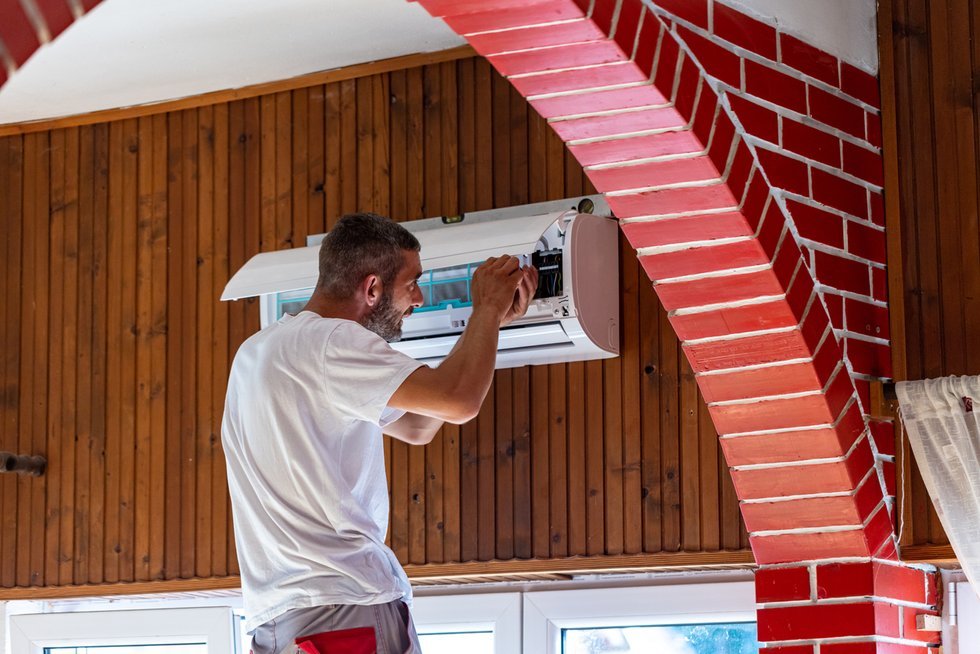 How Home Repair Responsibilities Are Shared Between Landlords and Tenants in Texas
One of the biggest sources of conflict in any rental property is determining who is responsible for repairs. While some maintenance responsibilities are clearly assigned to the landlord and others to the tenant, not every repair is straightforward. The type of damage, how it occurred, the lease agreement, and Texas landlord-tenant laws all influence who is expected to fix the problem.
At Prime Properties Austin, our team works with landlords and tenants across Texas to coordinate maintenance requests, schedule repairs, and keep rental properties operating smoothly. Through our professional property management services, we've found that clear repair expectations create better landlord-tenant relationships and help resolve maintenance issues before they become costly problems.
What Are the Landlord's Repair Responsibilities?
In most rental properties, the landlord is responsible for maintaining the property's major systems and ensuring the home remains safe and habitable throughout the lease. While the tenant is expected to take reasonable care of the property, a landlord is generally responsible for repairs involving normal wear and tear, aging building systems, and issues that affect the property's overall condition.
A landlord's repair responsibilities commonly include:
Repairing plumbing leaks, burst pipes, and water line failures
Maintaining heating, ventilation, and air conditioning (HVAC) systems
Repairing electrical wiring, outlets, and safety hazards
Fixing roof leaks and structural damage
Maintaining water heaters and essential mechanical systems
Repairing appliances supplied with the rental property unless the lease specifies otherwise
Addressing conditions that affect the property's safety, sanitation, or habitability
Coordinating qualified contractors when specialized repairs are required
Responding to maintenance requests within a reasonable timeframe
When a landlord stays proactive with repairs and preventive maintenance, they often reduce long-term repair costs, improve tenant retention, and protect the value of the rental property.
Questions Landlords Commonly Ask
Q1: Can a landlord charge a tenant for damage that goes beyond normal wear and tear?
Yes. If damage is caused by the tenant, members of the household, guests, or pets rather than normal aging of the property, the landlord may hold the tenant responsible for the repair costs, subject to the lease agreement and applicable Texas laws.
Q2: What if a tenant doesn't report a maintenance problem until it becomes much worse?
A small plumbing leak or roof issue can become a major repair if it goes unreported. When delayed reporting contributes to additional damage, responsibility may depend on the circumstances, including what the lease says and whether the tenant could reasonably have reported the issue sooner.
Q3: Is a landlord responsible for repairs after a storm or severe weather?
In many cases, a landlord is responsible for repairing damage to the rental property's structure or essential systems caused by storms or other natural events. However, responsibility for a tenant's personal belongings may depend on renters’ insurance and the specific circumstances.
Q4: What happens if a tenant accidentally damages an appliance provided with the rental?
If the appliance was damaged because of misuse, negligence, or an accident caused by the tenant, the tenant may be responsible for repairing or replacing it. If the appliance simply stops working because of age or normal use, the responsibility generally falls to the landlord.
Q5: Can a landlord enter the property immediately to carry out repairs?
Emergency repairs may require immediate access to protect the property or ensure occupant safety. For non-emergency repairs, landlords should generally follow the notice requirements outlined in the lease agreement and applicable Texas laws before entering the rental property.
What Are the Tenant's Repair Responsibilities?
Although the landlord handles most major repairs, tenants also have an important role in maintaining the rental property. A tenant's responsibilities generally focus on taking reasonable care of the home, preventing avoidable damage, reporting maintenance issues promptly, and complying with the maintenance requirements outlined in the lease.
A tenant’s repair responsibilities commonly include:
Keeping the rental property clean and reasonably sanitary
Reporting plumbing leaks, electrical issues, HVAC problems, and other maintenance concerns as soon as they are discovered
Replacing minor consumable items if required under the lease
Paying for repairs resulting from damage caused by the tenant, household members, guests, or pets
Using appliances, plumbing fixtures, and other property features responsibly
Avoiding unauthorized alterations or repairs without the landlord's approval
Following the maintenance responsibilities described in the lease agreement
Prompt communication is one of the most important responsibilities a tenant has. Reporting maintenance concerns early often prevents minor issues from becoming larger repairs that affect both the tenant's comfort and the landlord's property. Many of these responsibilities become much easier to manage when landlords choose responsible renters who communicate promptly and take care of the property can help prevent many maintenance issues from arising in the first place.
Questions Tenants Commonly Ask
Q1: Is a tenant responsible if a guest accidentally damages the rental property?
In most situations, yes. A tenant is generally responsible for damage caused by anyone they allow onto the property, including guests, family members, or pets.
Q2: Can a tenant be held responsible for mold if it develops during the lease?
It depends on the cause. Mold resulting from a structural issue or plumbing leak may be the landlord's responsibility, while mold caused by poor housekeeping, blocked ventilation, or failure to report water intrusion promptly may become the tenant's responsibility.
Q3: What happens if a tenant ignores a maintenance issue because it seems minor?
Minor issues can quickly develop into expensive repairs. Failing to report a leaking pipe, roof leak, or water intrusion promptly may contribute to additional damage and could affect who is ultimately responsible for the repair costs.
Q4: Can a tenant paint walls, replace fixtures, or make repairs without permission?
Unless the lease specifically allows it, tenants should generally obtain the landlord's approval before making alterations or arranging significant repairs. Unauthorized changes may create additional costs when the tenancy ends.
Q5: If a repair affects the tenant's ability to live comfortably in the property, what should the tenant do?
The tenant should notify the landlord or property manager promptly using the maintenance process described in the lease and keep a record of the repair request. Clear communication helps both parties address the issue efficiently and maintain proper documentation.
Understanding how repair responsibilities are generally divided between landlords and tenants provides a strong foundation, but it's only part of the picture. Texas landlord-tenant laws establish additional requirements around habitability, repair notices, and landlord obligations that can affect how maintenance issues are handled. The next section explores what those laws say and how they apply to rental properties across Texas.
 What Do Texas Landlord-Tenant Laws Say About Repair Responsibilities?
While repair responsibilities are often outlined in a lease, Texas landlord-tenant laws establish the legal framework that determines when a landlord must make repairs and what responsibilities a tenant has when requesting them. Understanding these rules helps both parties handle maintenance issues more confidently and avoid unnecessary disputes.
Texas law requires landlords to address repair issues that materially affect the health or safety of a tenant once they have been properly notified. This generally includes problems involving essential services or conditions that make a rental property unsafe or difficult to live in. However, a landlord's obligation to make repairs typically begins only after receiving notice of the issue through the process outlined in the lease or otherwise permitted under Texas law. Keeping written records of maintenance requests and responses can help both landlords and tenants avoid misunderstandings if questions arise later.
Texas law also recognizes that landlords and tenants have separate responsibilities when it comes to maintaining a rental property. While the landlord is generally responsible for keeping the property habitable, a tenant is expected to use the property responsibly and avoid causing damage through negligence or misuse. If a repair is needed because of damage caused by the tenant, members of the household, guests, or pets, the responsibility for those repairs may shift to the tenant depending on the circumstances and the lease agreement.
Following the correct repair process is just as important as understanding who is responsible for the repair. Both the landlord and the tenant benefit from documenting maintenance requests, responding promptly, and maintaining clear communication throughout the repair process. Taking these steps helps resolve maintenance issues more efficiently and supports a positive landlord-tenant relationship.
Can a Lease Agreement Override Texas Landlord-Tenant Laws?
A lease agreement can clarify how certain maintenance responsibilities are handled, but it cannot override the legal protections and obligations established under Texas landlord-tenant laws. While landlords and tenants may agree on responsibilities for routine maintenance or minor upkeep, lease terms generally cannot remove a landlord's duty to address conditions that materially affect a tenant's health or safety or eliminate rights that Texas law specifically protects. Reading the lease carefully alongside the applicable Texas requirements helps both parties understand where contractual responsibilities end and legal obligations begin.
Understanding both the lease agreement and Texas landlord-tenant laws gives landlords and tenants a clearer picture of how repair responsibilities are handled throughout the tenancy.
Need Help Managing Rental Property Repairs?
Understanding landlord vs. tenant repair responsibilities is the first step toward avoiding costly disputes and protecting your rental property. If you're unsure how maintenance responsibilities apply to your property or need help managing repairs, the team at Prime Properties Austin is here to help.
Contact Thomas at (512) 342-9566 or thomas@primepropertiesaustin.com to learn how our property management services can help keep your rental running smoothly.