
On this page
Smart Locks, Security Cameras, and Privacy: What Austin Rental Owners Need to Know
Smart homes and tech-savvy rental properties are no longer just about convenience. Smart locks can let an Austin landlord manage access without chasing keys, while cameras can add another layer of security around a rental. But once a tenant moves in, the conversation changes. Who should have access? Where can cameras point? And how much control should a property owner really have over his rental property someone else now lives in?
These questions matter more as today’s renters expect both modern features and personal privacy. If you’re considering smart locks or cameras for your Austin rental, let’s take a closer look at where convenience ends and tenant privacy begins, and how property management can help keep the balance.
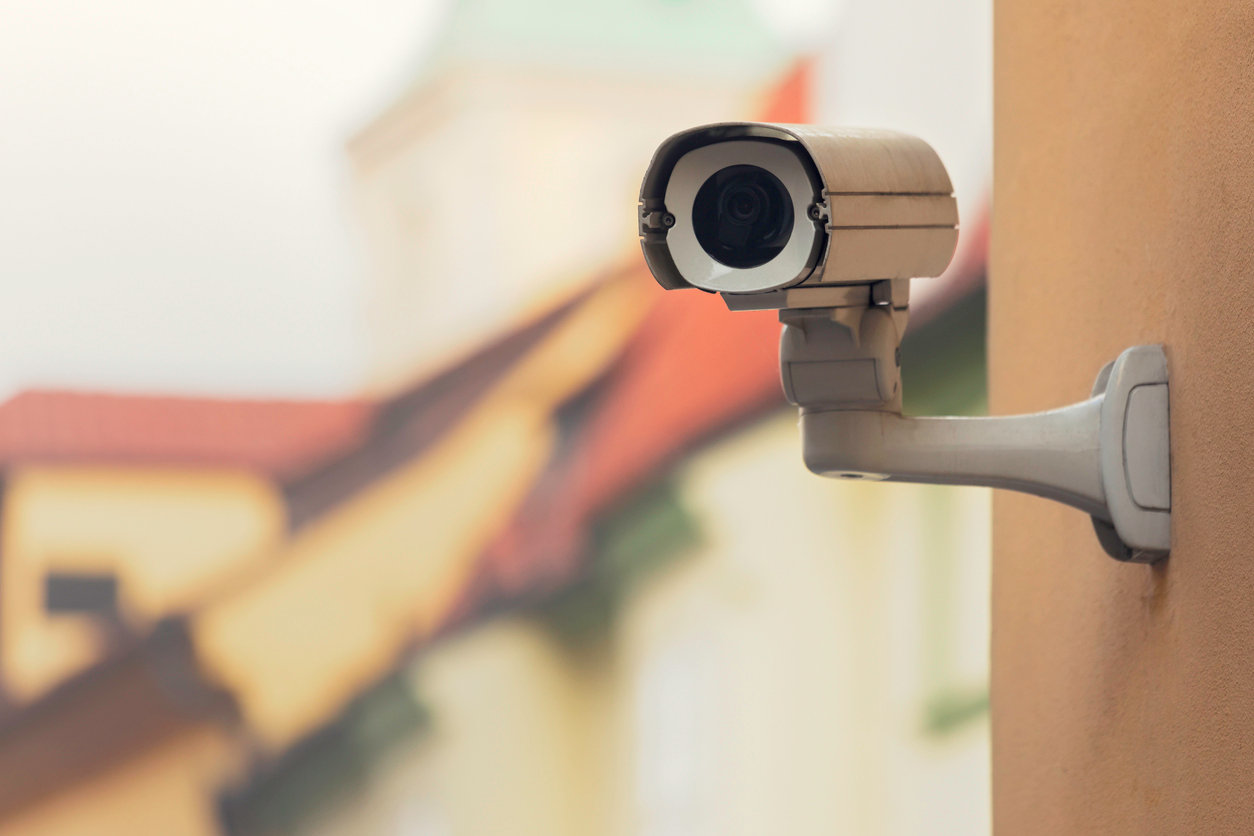 Smart Locks Can Make Rental Access Easier, But Who Controls the Lock?
A key under the mat is becoming less common as smart locks make their way into modern rental properties. For an Austin landlord, a smart lock can make move-ins, maintenance visits, inspections, and turnovers easier without creating a trail of spare keys. But convenience comes with a new question: who actually controls the rental access once the tenant has moved in?
A traditional key is physical and fairly simple. A smart lock can involve codes, an app, temporary access, activity logs, and multiple people who may have permission to enter. That makes the question of access a little more interesting for today's rental owners.
How Smart Locks Change Rental Access
With smart locks, access can be managed digitally rather than through a collection of physical keys. Depending on the system, a rental homeowner or property manager in Austin may be able to create individual codes, provide temporary access to a contractor, or change access without replacing the entire lock.
That can be especially useful during the busy periods of an Austin rental when upgrades and smart features can also help the property appeal to today's renters. A property may have a prospective tenant visiting, a maintenance professional arriving, a cleaner preparing the home, and a new tenant moving in, all within a relatively short period.
Instead of asking, “Who has the key to the rental property?”, the question becomes, “Who has access right now?”
That is where good ground rules matter.
The Tenant Should Know Who Has Access
Once a tenant takes possession of the rental, access should not become a mystery simply because the property uses smart locks.
The tenant should know how the smart lock works, who has authorized access, how their own code or credentials are managed, and what to do if the system stops working. If a property owner, manager, maintenance team, or other authorized person needs access to the rental, the process should be clear rather than something the tenant discovers after seeing someone enter.
And that clarity becomes even more important when it comes to controlling access to the rental itself. A smart lock may make it easier to manage who can enter, but it does not give a landlord unlimited control over a tenant's access to the property. Texas law places limits on when a landlord can intentionally prevent a tenant from entering leased rental premises, including specific requirements for changing locks in certain situations.
Texas law addresses this under Section 92.0081, Removal of Property and Exclusion of Residential Tenant
What Austin Landlords Should Decide Before Installing One
Before adding smart locks to an Austin rental, it is worth deciding:
Who controls the main smart-lock account?
Who can create or remove access codes?
Will maintenance personnel who come to the rental property receive temporary access?
What happens to old codes when a tenant moves out?
What happens if the internet, battery, app, or the entire smart lock fails?
Does the rental agreement lease explain how the smart lock will be used?
The technology itself is only half the equation. The other half is knowing who is responsible for managing it. A smart lock may eliminate the key ring, but it does not eliminate the need for clear rules. In a modern Austin rental, access still works best when everyone knows who controls it, when it can be used, and why.
Where Property Management Can Help
For a rental property owner who does not want to manage every access code, maintenance visit, and turnover detail personally, a property management team like Prime Properties Austin can take on that coordination. We can help owners manage the practical side of an Austin rental, including the day-to-day details that come with keeping access, maintenance, and tenant communication running smoothly.
Security Cameras Can Add Protection, But Where Should They Point?
Security cameras can make an Austin rental feel more secure, especially around entrances, driveways, parking areas, and other parts of the home that need monitoring. For a property owner, smart security technology can also provide useful visibility when the rental is vacant or when something happens around the property.
Smart-home technology is also changing how rental properties are managed, with tools such as app-controlled security cameras giving owners more ways to monitor and manage a property remotely.
But once a tenant moves in, security cameras need a little more thought. A camera that protects the outside of an Austin rental is very different from one that captures a tenant's private space. The question is not simply whether an owner can install cameras on his rental property, but where those cameras should point and what they should actually be used for.
Start With the Purpose of the Camera
Before installing smart security cameras at an Austin rental, start with a simple question: What problem is the camera supposed to solve?
A camera facing a front entrance may help monitor visitors. One covering a driveway or parking area may help document activity around vehicles. A camera near a gate or other exterior access point may provide another layer of security for the rental.
The purpose matters because cameras should have a clear reason for being there rather than becoming a way to watch everything happening around the Austin rental.
For an owner, it helps to think about the difference between protecting the property and monitoring the tenant.
Where Security Cameras Make More Sense
Exterior areas in the rental are generally easier to separate from a tenant's private living space. Depending on the property and the camera's field of view, an owner might consider areas such as:
Front and side entrances of the rental
Driveways and parking areas
Gates and exterior access points
Detached garages or other exterior structures
Areas where packages are commonly delivered
The important detail is not just where the security camera is mounted. It is also what the camera can see.
A camera positioned outside an Austin rental could still capture more than intended if it points toward a neighboring property, a private outdoor area, or a window. Before installing cameras, owners should check the field of view and adjust the angle so the smart security system serves its intended purpose without unnecessarily capturing private areas within and outside of their rental.
What About Cameras Inside the Rental?
This is where the conversation becomes much more sensitive.
A tenant is not simply occupying an investment property. They are living there. Bedrooms, bathrooms, and other private areas should not be treated like common areas that an owner can monitor simply because the owner owns the rental.
Even where a camera may be technically capable of recording, the bigger question is whether it is appropriate for that rental space and purpose. Security cameras should not turn an occupied Austin rental into a place where a tenant feels watched.
Texas law also addresses privacy in certain circumstances, including the use of recording devices. Austin Owners considering cameras inside or around a rental should understand the applicable rules before installing or activating them.
What Austin Landlords Should Check Before Installing Cameras
Before adding smart security cameras to an occupied Austin rental, consider:
What is the specific purpose of each camera?
What area of the Austin rental does each camera actually capture?
Could the camera see into a tenant's private space?
Does the tenant know that the security cameras are there?
Does the lease or another written agreement address them?
Who can view recordings?
How long are recordings retained?
What happens to access to the recordings when ownership or management changes?
A smart security system can give an Austin rental owner useful information, but more technology does not automatically mean better property oversight. The goal should be to improve security while keeping reasonable boundaries around the tenant's home.
Where Property Management Can Help
For rental owners who want the benefits of smart security cameras without having to think through camera placement, tenant communication, access, and day-to-day monitoring alone, property management can help. A property management team can help coordinate the practical side of an Austin rental, so security technology supports the property without becoming another source of confusion for the owner or tenant.
Smart Rental Technology: What Austin Owners Should Keep in Mind
Smart locks and security cameras can make rental management in Austin easier, but technology works best when paired with clear access rules, tenant privacy, and thoughtful property oversight.
Key Takeaways:
Set clear rules for smart lock access.
Use security cameras with a defined purpose.
Respect tenant privacy and personal space.
Make sure tenants understand how these technologies are used.
Ready to simplify your Austin rental management? Contact Prime Properties Austin.
Email: thomas@primepropertiesaustin.com
Phone: +1 (512) 342-9566